Materials Glossary
Every fibre we use. Every certification. Every tradeoff — including the ones that don't flatter us. Honest materials need honest language.
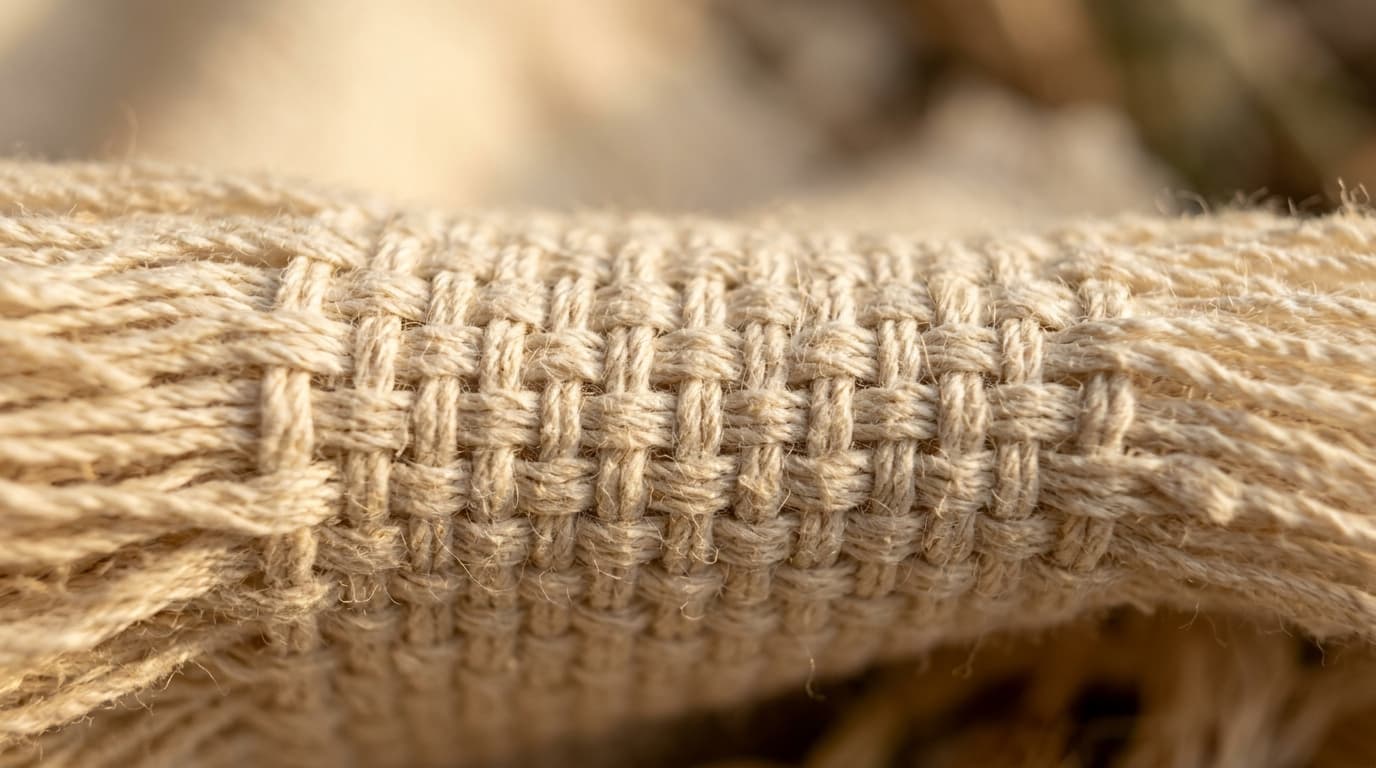 Editorial concept
About the certifications named here
GOTS, OEKO-TEX and GRS are named below because they are the standards this range is specified against. No certificate number, issuing body or expiry date has been published on this site yet, so treat each one as a sourcing requirement we work to rather than a licence we are displaying. If a certification matters to your purchase, ask us for the document before you buy — and hold us to it if we cannot produce one.
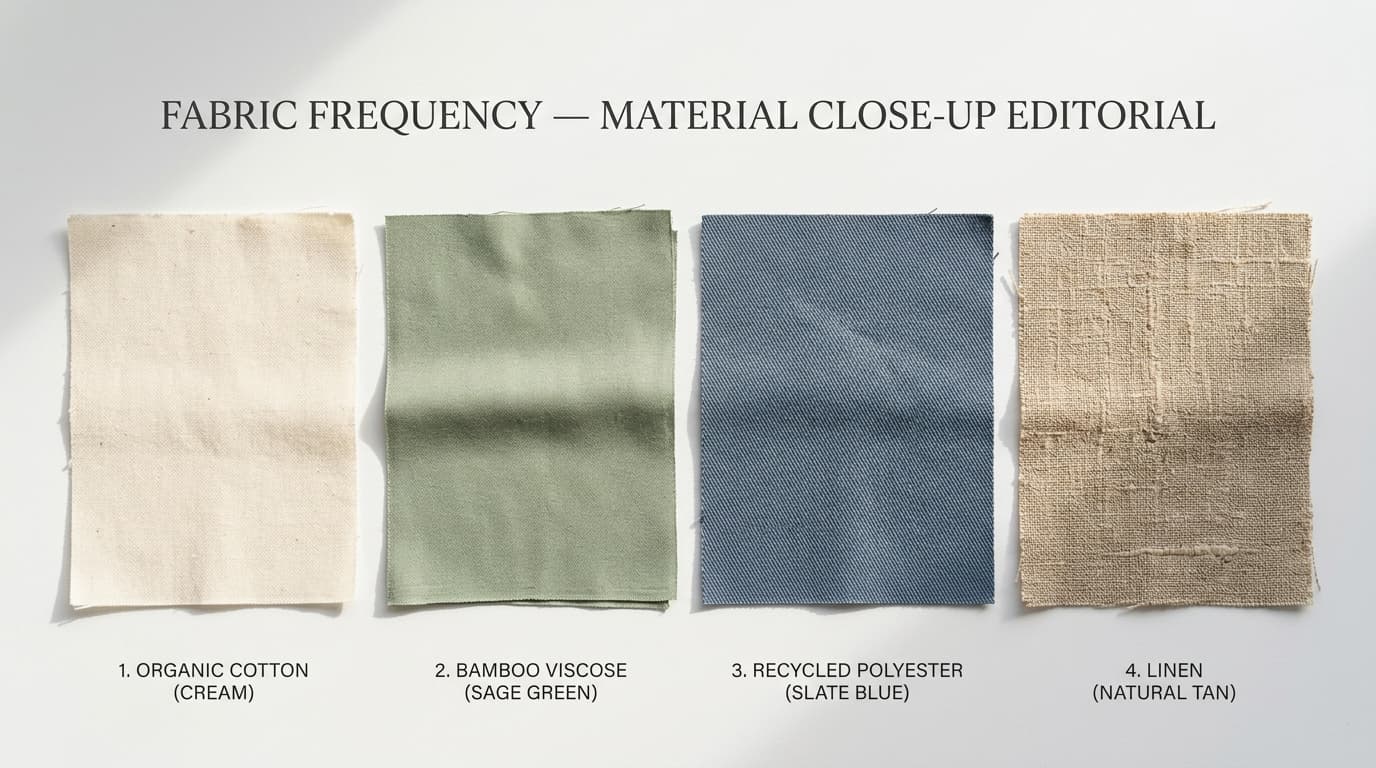
Organic Cotton
GOTS (Global Organic Textile Standard)The certified baseline.
Properties
GSM Range
130–200 GSM depending on style
Used in
In detail
Organic cotton is grown without synthetic pesticides, herbicides, or GMO seeds. It is GOTS-certified — meaning both the fibre origin and the processing chain (dyeing, finishing) meet environmental and social standards.
We source organic cotton from GOTS-certified Indian farms and processing facilities. The certificate number is available on request. We do not make organic cotton claims for garments that are blended with non-organic fibres unless the organic content exceeds 95%.
Conventional cotton is one of the most water- and pesticide-intensive crops globally. Organic cotton reduces but does not eliminate these impacts — context matters, and we describe it honestly.
Honest tradeoffs
Organic cotton typically costs 20–40% more than conventional cotton. This cost is passed on, which is why organic-certified clothing at very low price points is worth scrutinising.
Bamboo Viscose
OEKO-TEX Standard 100 (processing chemicals)Naturally soft. Closed-loop processed.
Properties
GSM Range
120–145 GSM
Used in
In detail
Bamboo is one of the fastest-growing plants on earth — it requires no pesticides, regenerates from its root system after cutting, and produces significantly more fibre per hectare than cotton.
However, converting bamboo into a wearable fabric requires a chemical process. Conventional viscose processing uses harsh solvents (carbon disulfide) and releases them into the environment. Our bamboo viscose uses a modified closed-loop process where solvents are recovered and reused — significantly reducing environmental impact versus conventional viscose.
We use the term "bamboo viscose" precisely. We do not call it "bamboo fibre" or "bamboo fabric" — terms that imply a mechanical (not chemical) process and are frequently used misleadingly in the industry.
Honest tradeoffs
Even closed-loop processing is not zero-impact. And bamboo viscose, like all viscose, sheds microfibres when washed — a tradeoff we acknowledge and are researching solutions for.
Linen
OEKO-TEX Standard 100Ancient fibre. Modern wear.
Properties
GSM Range
140–170 GSM
Used in
In detail
Linen is produced from flax fibres. Flax grows in cool climates with minimal water requirements and typically without pesticides or herbicides. The entire flax plant is used — seeds for oil, stalks for linen — making it one of the lowest-waste crops in textile production.
Linen fabric is exceptionally breathable and moisture-wicking — it absorbs up to 20% of its weight in moisture before feeling wet. This makes it ideal for Bangalore's hot, humid climate. It regulates body temperature naturally.
Unlike most fabrics, linen gets stronger — and softer — with washing. A well-cared-for linen garment improves over its lifetime and can last significantly longer than comparable cotton or polyester pieces.
Honest tradeoffs
Linen wrinkles. This is a property of the fibre, not a defect. Garment-washing (our default for most linen styles) reduces the severity of wrinkling significantly. Some people love the relaxed, lived-in texture of linen wrinkles — others prefer a crisper finish, which requires ironing while damp.
Recycled Polyester
GRS (Global Recycled Standard)Post-consumer. Performance-grade.
Properties
GSM Range
80–120 GSM (outerwear shell)
Used in
In detail
Our recycled polyester is sourced from post-consumer PET — primarily plastic bottles that would otherwise go to landfill or incineration. The PET is cleaned, melted, and re-spun into polyester fibre. This process uses approximately 50–60% less energy than producing virgin polyester from petroleum.
We use GRS (Global Recycled Standard) certified recycled polyester, which tracks the chain of custody from waste collection through to finished fabric.
Recycled polyester performs identically to virgin polyester in terms of durability, water resistance, and packability. Our outerwear uses DWR (durable water-resistant) finishes that are PFAS-free — avoiding the persistent chemical compounds associated with conventional DWR treatments.
Honest tradeoffs
Polyester — including recycled polyester — sheds synthetic microfibres when washed. These enter waterways and the wider environment. We recommend using a microfibre-catching wash bag (such as a Guppyfriend bag) and washing on cold, gentle cycles to reduce shedding. We're researching this problem and will update our practices as solutions improve.
Questions about materials?
We're happy to share certification documents, processing details, or supply chain information. Contact us any time.
Contact Us